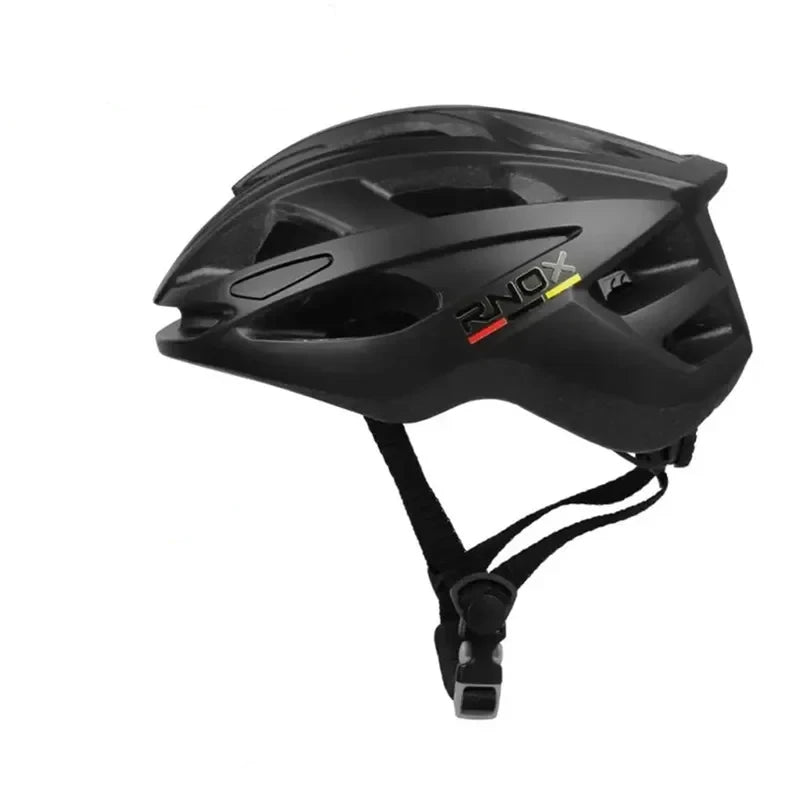
 Helios Ultralight Cycling Helmet$67.79$67.79
$133.34 Rapido Aero Helmet$67.79$67.79
$76.99 Fortis Integrally-molded Helmet$98.84$98.84
$194.29 Costa Aero Helmet$79.29$79.29
$180.49 Skywave Cycling Helmet$75.84$75.84
$148.29 Veyron Core Helmet$79.29$79.29
$102.29 Gravex Air Helmet$79.29$79.29
$102.29 Congo Bike Helmet with Taillight$90.79$90.79
$190.84 Talon Trail Helmet$79.29$79.29
$102.29 Panama MTB Helmet$90.79$90.79
$210.39 Montara MTB Cycling Helmet$98.84$98.84
$205.79 Airbreaker Cycling Helmet$98.84$98.84
$180.49 Sentinel Bike Helmet with Rear Light$102.29$102.29
$202.34 Yungas Ultralight Bike Helmet$72.39$72.39
$148.29 Drava XXL Cycling Helmet$98.84$98.84
$171.29 Magnus Extra Large Helmet$102.29$102.29
$180.49 Stealth Magnetic Helmet$102.29$102.29
$213.84 Protean Baseball Cap Helmet$79.29$79.29
$157.49 WEST BIKING Trail XC MTB All-terrain Bike Helmet$110.34$110.34
$205.79 Vento Spherical Bike Helmet$87.34$87.34
$194.29 ROCKBROS Intergrally-molded MTB Light Safe Cycling Helmet$167.84$167.84
$328.84 INBIKE Light Bicycle Helmet with TaillightFrom $85.04From $85.04
$198.89 INBIKE Ultralight MTB Safe Bike Bicycle Casco Cycling HelmetFrom $70.09From $70.09
$156.34 INBIKE Mountain Road Bike Cycling Safe Helmet with Magnetic GogglesFrom $80.44From $80.44
$155.19 ROCKBROS Ultralight Integrally-molded Cycling Helmet$150.59$150.59
$342.64 Kids Detachable Full Face Bike Helmet$98.84$98.84
$194.29 ROCKBROS 3 in 1 Integrally Molded Pneumatic Cycling Helmet$137.94$137.94
$331.14 WEST BIKING 3 Size Round MTB Strong Sport Bike Cycling Helmet$57.44$57.44
$156.34


Choosing the Right Cycling Helmet
A cycling helmet should fit securely, feel comfortable throughout the ride, and match the type of cycling you do most. When comparing bike helmets, consider sizing and adjustment, ventilation, riding style, and any additional features that are useful for your regular routes.
Size & Adjustment
Start with the manufacturer's recommended head-size range and choose a helmet that sits securely without uncomfortable pressure points. Adjustable rear retention systems and straps can help fine-tune the fit for your head shape.
Ventilation & Weight
Ventilation becomes particularly important on longer rides, climbs, and warmer days. A well-ventilated helmet can help airflow around the head, while a lighter design may feel more comfortable during extended time in the saddle.
Road, Aero or MTB Design
Road and aero helmets often prioritize ventilation, streamlined shapes, and low weight, while MTB and trail helmets may use a different profile, deeper rear coverage, or a visor to suit off-road riding conditions.
Visors, Rear Lights & Practical Details
Depending on the model, additional features can include magnetic visors, removable peaks, integrated rear lights, insect mesh, and different adjustment systems. Choose features that genuinely suit the type of riding you do.
Road & Aero Helmets vs MTB Helmets
Both styles are designed around cycling, but their shapes and features reflect different riding environments. The best option depends on whether most of your miles are spent on paved roads or off-road trails.
Road & Aero Cycling Helmets
Road cycling helmets commonly focus on ventilation, low weight, and a streamlined profile for long rides, training, commuting, and faster road sessions.
Some models place greater emphasis on airflow, while aero-oriented designs may use smoother shapes or different vent layouts depending on their intended riding style.
MTB & Trail Cycling Helmets
Mountain bike helmets are shaped around off-road riding and commonly feature deeper rear coverage and trail-oriented details such as peaks or visors.
Their design can make them a practical choice for riders tackling forest trails, gravel routes, technical terrain, and other off-road environments.
Find a Helmet That Matches the Way You Ride
Road Cycling, Commuting, MTB and Everyday Riding
Helmet preferences vary with riding style, head shape, climate, and the features you actually use. A rider spending hours on warm road climbs may prioritize airflow and low weight, while a trail rider may prefer an MTB-specific profile and visor.
Cycle Peak's helmet collection includes lightweight road and aero designs, MTB and trail helmets, visor-equipped models, rear-light options, and larger-fit helmets for riders looking for different combinations of fit, ventilation, and features.
Read our guide: How to Choose a Cycling Helmet →Frequently Asked Questions
Quick answers to common questions about choosing, fitting, and using a cycling helmet.
How should a cycling helmet fit?
A cycling helmet should sit securely and comfortably without excessive movement or uncomfortable pressure. Use the manufacturer's sizing guide and adjust the retention system and straps so the helmet remains properly positioned while you ride.
What is the difference between a road helmet and an MTB helmet?
Road helmets commonly prioritize low weight and ventilation, while MTB helmets often use a trail-focused shape with deeper rear coverage and features such as a visor. The right choice depends mainly on where and how you ride.
Is a helmet with more vents always better?
Not necessarily. More or larger vents can contribute to airflow, but ventilation depends on the overall helmet design rather than vent count alone. Fit, comfort, weight, and your typical riding conditions should also be considered.
Do I need a cycling helmet with a visor or rear light?
These features depend on your riding needs. A visor can be useful for some road or trail conditions, while an integrated rear light can add an additional visibility element during lower-light rides. A helmet light should complement rather than replace appropriate bicycle lighting.
When should I replace a cycling helmet?
If a helmet has experienced a significant impact, shows cracks or damage, or no longer fits or adjusts correctly, follow the manufacturer's replacement guidance rather than continuing to use it. Replacement recommendations can vary between helmet manufacturers and models.